
ABURI BOTANICAL GARDENS – GHANA
- 2 Min Read
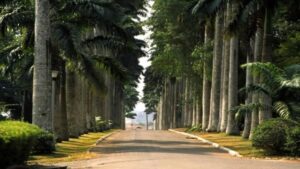
PHOTO CAPTION: Aburi Botanical Gardens. SOURCE: touringghana
Situated approximately 35 kilometres north of Accra, the capital city of Ghana. It is the oldest and largest botanical garden in Ghana.
It was established in 1890 as an experimental farm for tropical crops. Encompassing 160 acres of land, the Aburi Botanical Gardens boast an extensive collection of plant species, both native and exotic.
The historical significance of Aburi Botanical Gardens can be traced back to the colonial era. The Akuapem Hills, known for their mild climate and lower malaria prevalence compared to the coastal areas, were among the first regions in the Ghanaian hinterland to be settled by Europeans.
In the mid-19th century, Basel missions were established in Aburi and neighbouring hill towns. Later, in 1875, a sanatorium was constructed on the site of a former Basel mission in Aburi to cater to officials stationed in Accra. In 1890, the land surrounding the sanatorium was transformed into the Aburi Botanical Gardens.
Its establishment is owed much to William Crowther, the first curator, who studied at the Royal Botanic Gardens in Richmond, London. The gardens played a significant role in promoting the cultivation of cocoa and rubber during the Gold Coast era (now Ghana) of the 1890s.
Visitors can leisurely explore the meandering paths and marvel at the impressive array of flora, which includes majestic palm trees, vibrant orchids, colourful azaleas, and fragrant roses. The garden’s collection also features rare African and South American plants, such as the magnificent Talipot palm and the towering African baobab tree, ensuring a memorable experience for all who visit.
The Aburi Botanical Gardens, among other economic gains to Ghana, serve as a centre for education and research, attracting academic interest. The environmental conservation efforts over there contribute to sustainable agriculture and natural resource management.


