LAKE VICTORIA
- 1 Min Read

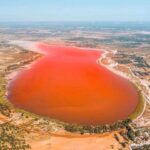
PHOTO CAPTION: Lake Victoria. SOURCE: Egle
KENYA/UGANDA/TANZANIA: Lake Victoria, is the largest African Great Lake by area, the world’s largest tropical lake, and the second largest fresh water body in the world. It covers 59,947 km² and contains 2,424 km³ of water.
The lake’s name honours Queen Victoria of the United Kingdom, christened by the British explorer John Hanning Speke in 1858 during his search for the source of the Nile River. However, the lake was known to local communities long before European explorers arrived, with names such as “Nnalubaale” in Luganda and “Ukerewe” in local Bantu languages.
Lake Victoria has played a critical role in human history as a cultural and economic hub. Its waters have supported fishing communities for centuries, and its strategic position made it a focal point for trade and colonisation during the 19th and 20th centuries.
Lake Victoria is more than just a vast body of water; it is a cradle of biodiversity, a pillar of regional economies, and a beacon of cultural heritage. Its beauty and significance demand both admiration and protection, ensuring it continues to thrive for generations to come.