CLARK, JOHN PEPPER
- 3 Min Read
John Pepper Clark-Bekederemo (April 6, 1940 – October 13, 2020), widely known as J. P. Clark, was a distinguished Nigerian poet, playwright, and literary scholar. A central figure in modern African literature, he contributed significantly to the development of post-colonial African writing in English. Through poetry and drama, Clark explored themes of identity, tradition, political power, and social change, becoming one of the leading voices of Nigeria’s first generation of internationally recognised writers.
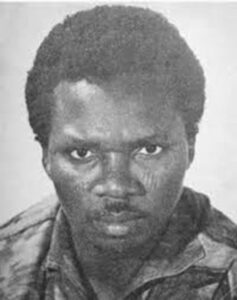
PHOTO CAPTION: John Pepper Clark-Bekederemo. SOURCE: EA Library.
Born in Kiagbodo, in present-day Delta State, Nigeria, Clark belonged to the Ijaw ethnic group. He grew up in the Niger Delta region, whose riverine landscape and cultural heritage profoundly influenced his literary imagination. He received his early education in Nigeria before studying English at the University College, Ibadan (now the University of Ibadan), where he was associated with the influential literary circle that included Wole Soyinka and Christopher Okigbo.
Clark first gained prominence in the 1960s with the publication of his poetry collection Poems (1962), followed by A Reed in the Tide (1965). His poetry combined lyrical expression with political awareness, reflecting on colonial legacies, personal introspection, and the tensions of a rapidly changing society. His language was noted for its clarity, rhythm, and symbolic depth, often drawing upon Niger Delta imagery.
As a playwright, Clark achieved lasting recognition for works such as Song of a Goat (1961), The Masquerade (1964), and The Raft (1964). These plays explored existential dilemmas, communal conflict, and moral responsibility within African societies navigating modernity. His dramatic style blended indigenous themes with classical structure, contributing to the evolution of African theatre.
The Nigerian Civil War (1967–1970) deeply affected Clark, shaping his later writings. His poetry collection Casualties: Poems 1966–68 reflected on the human cost of conflict and the fragility of national unity. Through these works, he demonstrated literature’s capacity to bear witness to political turmoil and social fragmentation.
Beyond creative writing, Clark was an academic and cultural advocate. He taught at the University of Lagos and founded the PEC Repertory Theatre in 1980 to promote theatrical performance and literary development in Nigeria. His intellectual contributions extended across scholarship, criticism, and mentorship of younger writers.
John Pepper Clark died on October 13, 2020, at the age of eighty. His passing marked the end of an era in Nigerian literature. Remembered as a poet of precision, restraint, and quiet power, Clark’s works remain foundational texts in African literary studies. His legacy endures in the continued vitality of African drama and poetry, and in the enduring relevance of his reflections on culture, nationhood, and human responsibility.
EA EDITORS