NGOZI, WINSTON MANKUNKU
- 3 Min Read
Winston Mankunku Ngozi (June 21, 1943 – October 13, 2009) was a South African tenor saxophonist and composer widely regarded as one of the most influential figures in South African jazz. Known for his expressive playing and politically resonant compositions, he emerged as a leading voice in the country’s jazz scene during the apartheid era. His music combined elements of American jazz with African rhythms and township musical traditions, articulating both the emotional and social experiences of Black South Africans under apartheid.
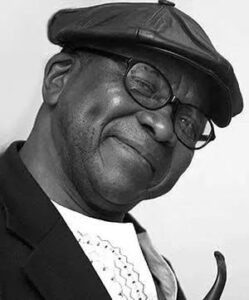
PHOTO CAPTION: Winston Mankunku Ngozi. SOURCE: EA Library.
Ngozi was born in Retreat, a suburb of Cape Town, into a musical family. His mother was active in church music, and he was exposed to musical performance from an early age. At the age of seven he began experimenting with the piano and later played the clarinet and trumpet before turning to the alto and tenor saxophone during his teenage years. Influenced by musicians such as John Coltrane, as well as local performers including the saxophonist Christopher “Cups” Nkanuka and pianist Merton Barrow, he developed a distinctive improvisational style. In the early 1960s his family was forcibly relocated from Retreat to the township of Gugulethu during apartheid’s forced removals under the Group Areas Act, an experience that shaped his personal life and artistic outlook.
Ngozi built his career in South Africa at a time when many musicians chose exile. Under apartheid legislation such as the Separate Amenities Act, racial segregation extended into the performing arts. According to widely cited accounts, he once performed with a white big band at Cape Town City Hall in 1964 while concealed behind a curtain because mixed-race bands were prohibited from appearing together on stage. Despite these restrictions, he became a prominent figure in the Cape Town jazz scene and collaborated with leading musicians including Chris McGregor, Dudu Pukwana, and Abdullah Ibrahim.
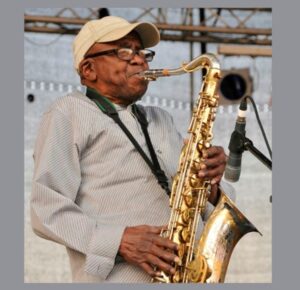
PHOTO CAPTION: Winston ‘Mankunku’ Ngozi performing at the South African Music Heroes tribute concert in Pretoria on 1 September 2008. SOURCE: dailymaverick.
Ngozi achieved national recognition in 1968 with the release of the album Yakhal’ Inkomo, recorded with Lionel Pillay, Agrippa Magwaza, and Early Mabuza. The album, whose title translates from isiXhosa as “the bellowing bull,” became one of the most influential and best-selling South African jazz albums and earned him the Castle Lager Jazz Musician of the Year award in the same year. The work’s emotional intensity and political undertones resonated strongly with audiences during the apartheid period. Although his career was intermittently affected by disillusionment with the recording industry and by limited professional opportunities, he continued to perform, tour, and collaborate with other musicians.
During the later decades of his career, Ngozi released several notable recordings, including The Bull and the Lion (1976), Jika (1987, with pianist Mike Perry), Dudula (1996), Molo Africa (1998), and Abantwana be Afrika (2003). His music blended jazz improvisation with African musical idioms, gospel influences, and township rhythms. Through performances at festivals, tours in Europe, and collaborations with younger musicians, he remained an influential figure in South African jazz. Ngozi died in Cape Town on October 13, 2009 at the age of sixty-six, leaving a legacy as a pioneering saxophonist whose work captured the social and emotional landscape of South Africa during and after apartheid.
EA EDITORS