AMU-DARKO, EPHRAIM
- 2 Min Read
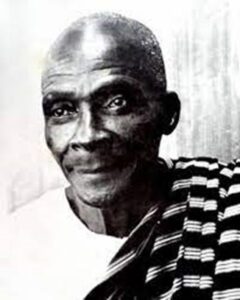
PHOTO CAPTION: Ephraim Amu. SOURCE: EA Library.
Ephraim Amu (September 13, 1899 – January 2, 1995) was a renowned Ghanaian composer, musicologist, teacher, and farmer, widely revered as the “Father of Ghanaian Art Music.” Born on September 13, 1899, in Peki-Avetile in the Volta Region of Ghana, Ephraim Koku Amu was raised in a devout Christian family that valued discipline, education, and music.
From an early age, he demonstrated exceptional musical talent, particularly in singing and instrumental performance. He received his early education at Presbyterian schools and later attended the Presbyterian Training College, Akropong, where he trained as a teacher and developed a deeper interest in music and theology.
He further pursued advanced studies in music in London, earning diplomas in music and composition. His early working life began as a teacher and catechist, during which he combined education, faith, and music in service to community development.
Amu worked extensively as a teacher, music director, and composer in various institutions across the Gold Coast (now Ghana). He taught at Achimota School and other training colleges, where he influenced curriculum development and encouraged the study of African music within formal education. A passionate advocate for cultural identity, he promoted the use of local languages in choral compositions and encouraged the performance of indigenous music in formal settings.
His compositions, including patriotic and sacred songs such as Yɛn Ara Asaase Ni, became enduring national treasures and symbols of unity and pride. Through his scholarship and creativity, he laid the intellectual and artistic foundations for Ghanaian art music and inspired a renaissance in African-centred musical expression.
Ephraim Koku Amu died on January 2, 1995, after a long and impactful life dedicated to music, education, and national service. His passing marked the end of an era in Ghana’s cultural history.
He is remembered as a visionary cultural nationalist and educator, who played a pioneering role in developing and formalising Ghanaian art music by integrating indigenous rhythms, languages, and instruments into classical composition. His legacy endures in Ghana’s musical heritage, in the continued performance of his compositions, and in the generations of musicians and scholars shaped by his pioneering vision.
EA EDITORS