
BAFFOUR, ROBERT PATRICK
- 2 Min Read
Robert Patrick Baffour (August 10, 1913 – June 14, 1989) was a distinguished Ghanaian medical doctor, academic, and administrator who served as the first Ghanaian Vice-Chancellor of the Kwame Nkrumah University of Science and Technology (KNUST).
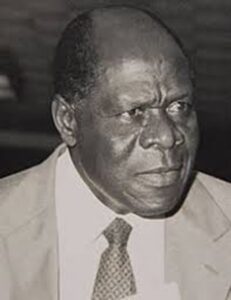
PHOTO CAPTION: Robert Patrick Baffour. SOURCE: EA Library.
Born on August 10, 1913, in Kumasi in the Ashanti Region of Ghana, Robert Patrick Baffour was raised in a community that valued education and public service. He received his early education at Mfantsipim School in Cape Coast before proceeding to Achimota College. Demonstrating exceptional academic ability, he pursued medical studies abroad, earning his medical degree from the University of Edinburgh in Scotland.
His training equipped him with advanced clinical skills and a strong commitment to professional excellence. Upon completion of his studies, he returned to the Gold Coast to begin his medical career, determined to contribute to the development of healthcare in his homeland.
Baffour served in various medical capacities within the Gold Coast and later Ghana, distinguishing himself as a skilled surgeon and medical administrator. His dedication to public health and medical training earned him national recognition, leading to his appointment as Vice-Chancellor of Kwame Nkrumah University of Science and Technology in 1967.
As Vice-Chancellor, he worked to consolidate academic standards, promote science and technology education, and expand institutional infrastructure. His leadership strengthened the university’s role in producing skilled professionals to support Ghana’s industrial and technological advancement. Through both medicine and administration, he left a lasting impact on Ghana’s health and higher education sectors.
Robert Patrick Baffour died on June 14, 1989, after decades of distinguished service to Ghana. He is remembered for the crucial role he played in the development of medical services and university administration in post-independence Ghana.
His legacy endures in Ghana’s continuous efforts at advancing medical education, strengthening institutional governance and national development through health and academia.
EA EDITORS