KWAPONG, BENJAMIN WILLIAM
- 2 Min Read
Benjamin William Kwapong (October 13, 1927 – November 4, 2014) was a distinguished Ghanaian academic, administrator, and public servant who served as the first African Vice-Chancellor of the University of Ghana.
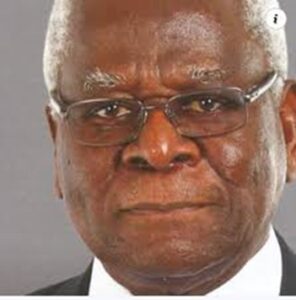
PHOTO CAPTION: Benjamin William Kwapong. SOURCE: EA Library.
Born on October 13, 1927, in Akropong-Akuapem in the Eastern Region of Ghana, Benjamin William Kwapong was raised in a community deeply rooted in education and Christian values. He received his early education at the Presbyterian Boys’ School, Akropong, before proceeding to Achimota School for his secondary education.
An exceptional student, Kwapong pursued higher studies abroad, earning degrees in Classics from the University of Durham and further academic qualifications from the University of London. His academic training in Latin, Greek, and classical civilization laid a strong intellectual foundation for his lifelong commitment to scholarship. Upon completing his studies, he returned to Ghana to begin his academic career.
Kwapong devoted much of his professional life to the University of Ghana, where he rose through the academic ranks from lecturer to professor. In 1966, he was appointed Vice-Chancellor, becoming the first African to hold that position at the university. During his tenure, he worked to consolidate academic standards, expand research capacity, and promote institutional autonomy in a rapidly changing political environment.
Beyond the university, he served in various national and international capacities, contributing to educational policy, governance, and intellectual discourse. His leadership strengthened Ghana’s higher education system and enhanced the global reputation of the University of Ghana.
Benjamin William Kwapong died on November 4, 2014, in Accra, Ghana, after a life devoted to scholarship and public service. He is remembered as a pioneering educationist, an advocate for academic excellence, and a statesman of integrity within Ghana’s intellectual community.
His legacy endures in the generations of scholars he mentored, the institutional reforms he championed, and his enduring contributions to the advancement of higher education in Ghana and beyond.
EA EDITORS