JA JA, KING OF OPOBO
- 3 Min Read

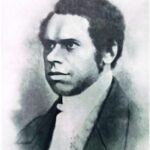
PHOTO CAPTION: King Ja Ja of Opobo. SOURCE: BBC.
Ja Ja of Opobo (1821–1891), was the first known Nigerian richest man, nationalist, a merchant prince and the founder of Opobo city-state which now forms part of Nigeria`s River State. Ja Ja whose full name was Jubo Jubogba was also a savvy political and military strategist, brought to the Bonny Kingdom as a slave, who was perhaps the most troublesome thorn in the flesh of 19th-century British imperial ambition in southern Nigeria.
He was born in 1821 in Amaigbo village in the Orlu district of Eastern Nigeria. Ja Ja was sold as a slave at the age of twelve to a chief in the coastal trading state of Bonny. Ja Ja earned his way out of slavery after serving his master for a number of years. At the death of his master, he took charge of the trade.
Through his prowess as a trader, particularly in palm oil, Ja Ja rose to become the head of the Anna Pepple House, an extremely wealthy and powerful house in Bonny, in 1863. His success as a trader provoked rivalry and resentment from other trading houses, particularly the Manilla Pepple House, led by Oko Jumbo.
In 1869, war broke out between the two houses, with the result that Ja Ja fled inland, establishing a new trading state, which he named Opobo. From the hinterland Ja Ja cut off Bonny’s access to palm oil markets, and, over time, he turned Opobo into a wealthy trading state of its own.
In 1884, Ja Ja signed a treaty of protection with the British guaranteeing them free trade in his realm. Not intending to live up to an agreement that would erode his competitive advantage, Ja Ja quickly abrogated the terms of the treaty, provoking the anger of the British.
In 1887 the acting British consul, Harry Johnston, tricked Ja Ja on board a gunboat, ostensibly to negotiate a peaceful end to hostilities. Once on board, however, Ja Ja was arrested and taken to Accra, from where he was banished to the West Indies.
He was permitted to return to Opobo in 1891 but died during the voyage home. His body was returned and buried in Opobo. Following his exile and death, the power of the Opobo state rapidly declined. In 1903 the King Ja Ja of Opobo Memorial was erected in his honour in Opobo town centre.
EA EDITORS