QUEEN AMINA OF ZAZZAU
- 3 Min Read
Queen Amina of Zazzau (c. 1533 – c. 1610) was a legendary military leader and ruler of the Hausa city-state of Zazzau (present-day Zaria, Nigeria). Celebrated for her exceptional military prowess and strategic vision, she expanded her kingdom’s territory through sustained campaigns of conquest and fortified its cities against external threats. Queen Amina stands as one of the most prominent female figures in West African history, remembered for her role in state-building, military innovation, and the consolidation of Hausa political power in the sixteenth century.

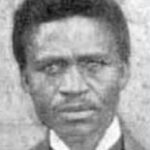
PHOTO CAPTION: Queen Amina of Zazzau. SOURCE: EA Library.
Amina was born around 1533 in Zazzau, she was the daughter of Bakwa Turunku, the ruler of the city-state. Raised within the royal household, she received training traditionally reserved for male heirs, including horseback riding, swordsmanship, military tactics, and leadership. From an early age, she displayed remarkable courage and discipline, earning respect among soldiers and court officials alike. Her upbringing prepared her for a life of command in a region characterised by frequent warfare and competition among city-states.
Amina first distinguished herself as a military commander during the reign of her brother, Karama, who succeeded their father as ruler of Zazzau. Serving as head of the cavalry, she led numerous successful campaigns, gaining a reputation as an undefeated warrior. Her victories strengthened Zazzau’s influence across the Hausa states and opened vital trade routes linking the region to North Africa and the Niger basin.
Following her brother’s death around 1576, Amina ascended the throne as queen of Zazzau. As ruler, she embarked on an ambitious programme of territorial expansion, extending Zazzau’s authority over vast areas of present-day northern Nigeria and beyond. Her campaigns reportedly reached as far as Kano, Katsina, and Nupe, making Zazzau one of the most powerful states in the region. Through conquest and diplomacy, she secured control of key commercial centres, enhancing the kingdom’s wealth and political standing.
Queen Amina is also credited with the construction of extensive defensive fortifications known as ganuwar Amina (Amina’s walls), many of which influenced urban planning in Hausa cities long after her reign. These fortifications strengthened security, facilitated administration, and symbolised central authority. Her leadership combined military strength with strategic governance, ensuring stability within her expanding realm.
She is believed to have died around 1610 after a reign marked by continuous military engagement and state consolidation. Though precise details of her death remain uncertain, her legacy endured in oral traditions, chronicles, and folklore across the Hausa world.
Queen Amina of Zazzau is remembered as a symbol of courage, discipline, and visionary leadership. Her achievements challenged prevailing gender norms and redefined women’s roles in political and military leadership in pre-colonial Africa. Today, she remains an enduring icon of African heroism and statecraft, inspiring generations with her legacy of strength, resilience, and strategic brilliance.
EA EDITORS