NGWANE III
- 2 Min Read
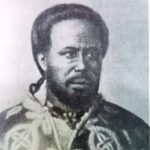
King Ngwane III (d. 1780) is the first king to be commemorated in present-day Swazi ritual. He is the first Diamini-Nguni of the Emalangeni clans to settle in what is now Swaziland. His conquests and incorporation of smaller clans in this region contributed to nation-building in Swaziland. To this day, the Swazi call themselves Bantu baka Ngwane (people of Ngwane), and the country, kaNgwane, Ngwane’s place of early settlement. Shiselweni, near the present town of Nhlangano, is regarded as the birthplace of the Swazi Nation.
Ngwane III crossed the Pongolo River with a small band, following the split within the Bembo-Nguni after the death of Dlamini III. The Ndwandwe clans settled between the Pongolo and the Umfolozi Rivers; Ngwane III led the Diamini-Nguni clans and their followers north across the Pongolo River in the 1750s. He finally settled in the northwestern part of Swaziland where he established his royal residence, which he called Zombodze. His mother was a daughter of the Ndwandwes, a clan which played an important role in providing Queen Mothers (Indlovukati) for the Swazi Nation.
The first annual ceremony of incwala, then known as kuluma, was celebrated at Ngwane’s ceremonial residence at Zombodze. Masenjana Nstbandze was the indvuna (governor) of this residence. Ngwane established his administrative centre (lilawu) at Hhohho, with Mdidane Shiba as his indvuna. A boulder remains today not far from Mbilaneni, which is alleged to have been Ngwane’s seat during ceremonial occasions. It is popularly called “Litje laNgwane” (Ngwane’s stone).
During this period of settlement, Ngwane undertook the task of nation-building by incorporating clans which he had conquered. Among these were the true Swazi or original clans with whom he founded Swaziland (Bemdzabuko), such as the Mavuso, Hlophe, Matsebula, Motsa, Lukhele, Kunene, Zwane, Sukati and Shongwe clans. Also incorporated were those he found ahead (Emakhandzambili) such as the Mnisi, Magagula, Maseko, Shabalala and Shabangu clans. His last conquests included such late-comers (Emafikamuva) as the Nxumalo, Nkambule, Mtsetfwa. Nsibandze, Vilakati, Mayisela and Zikalala clans, among others.
Ngwane III was buried in a sacred cave on a hill called Mbilaneni, which later became an important burial ground for kings and members of the royal Dlamini clans.
STEPHEN SHISIZWE HLOPHE