THEILER, MAX
- 4 Min Read

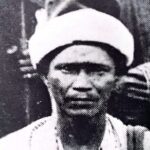
PHOTO CAPTION: Max Theiler. SOURCE: Karolinska Institutet.
The 1951 Nobel Prize for medicine or physiology was awarded to South African physician and microbiologist Max Theiler for his discoveries concerning yellow fever and its treatment. His work not only resulted in the development of a vaccine against yellow fever but also showed how vaccines could be developed against other diseases.
Theiler was born on 30 January 1899 in Pretoria, South Africa. The son of a well-known Swiss veterinary scientist, his father, Sir Arnold Theiler (1867–1936), was a prominent veterinarian who was director of the South African government veterinary service. He was the youngest of four motivated and successful children. Theiler’s early education was obtained at Rhodes University College in Grahamstown, South Africa.
Building on a strong educational foundation by way of private schooling in South Africa and Switzerland, he attended the University of Cape Town Medical School for premedical studies in 1916. After 2 years, he then went to London, England, to complete his training at Saint Thomas’ Hospital, where he was introduced to the School of Hygiene and Tropical Medicine. At age 23, he received his medical degree and then set off for the US as a first assistant in the Department of Tropical Medicine at Harvard Medical School, Boston, MA.
Although he spent the rest of his life in the United States, he retained his South African citizenship. His early work at Harvard Medical School concerned amebic dysentery, but he soon became interested in the study of yellow fever. In 1881, a Cuban physician, Carlos Finlay (1833–1915), hypothesised that yellow fever was spread by the bite of a mosquito.
However, his work was largely ignored by the medical community until 1900, when American surgeon Walter Reed (1851–1902) established the connection between mosquitoes and the disease, proving that Finlay’s theory was correct. Reed sought to control the disease by killing the mosquitoes. In 1911, investigators discovered that mosquitoes could carry the disease and transmit it from monkey to monkey and from monkeys to humans. Thus, it became obvious that a vaccine was needed to control the disease.
In 1927, Theiler and his colleagues began to tackle the controversy regarding the aetiology (origin of the disease) of yellow fever, complementing ongoing studies at the Rockefeller Foundation in New York, US, the premier centre of yellow fever research at that time. He provided proof that the cause of the disease was not a bacterium but a virus, confirming the findings of Dr. James Carroll, a colleague of Dr. Walter Reed’s, that a filterable agent present in blood, compatible with a virus, was the causative agent.
In 1930, Theiler discovered that the common mouse was susceptible to yellow fever. This provided a new research model that was less expensive and more available than monkeys. He also noted that passing the disease from mouse to mouse weakened the yellow fever virus. The yellow fever virus he cultivated in mice became the basis of 2 vaccines.
One was a weakened strain used in the 1930s and 1940s by the French government to protect the residents of French territories in western Africa. The second (and improved) version was grown in chicken embryos and was not only more effective but also easier to mass-produce. By 1937, it was widely used.
In 1930, Dr. Theiler relocated to the International Health Division of the Rockefeller Foundation, where he stayed for about 30 years, thriving in this paradise of scientific experimentation and cutting-edge research. He became director of the institute in 1951. His work and contributions at the Foundation extended to many other infectious diseases, such as Weill’s disease, dengue fever, and Japanese encephalitis.
In 1964, he left New York City to become a professor of epidemiology and microbiology at Yale University in New Haven, Conn. He retired from Yale University in 1967 and became associated with the Rockefeller Foundation, where he remained until 1972.
In 1951, Max Theiler of the Rockefeller Foundation received the Nobel Prize in Physiology or Medicine for his discovery of an effective vaccine against yellow fever.
He died of lung cancer on August 11, 1972, at the age of 73. Theiler was honoured philatelically by Gambia in 1989 and by South Africa in 1996. The success of Theiler’s vaccine has become the solution for the yellow fever disease. With funding from the Rockefeller Foundation, over 28 million doses of the yellow fever vaccine were distributed between 1940 and 1947, making the disease uncommon in many areas. The same vaccine is used to this day, with 99% of people vaccinated receiving immunity for their lifetime.
EA EDITORS