
MEKATILILI WA MENZA
- 4 Min Read
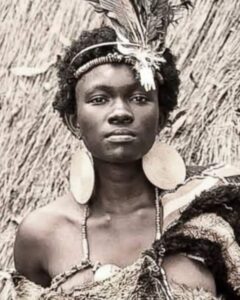
PHOTO CAPTION: Mekatilili wa Menza. SOURCE: EA library.
Mekatilili wa Menza (circa 1860 – 1920), known as the mother of colonial resistance, was a Kenyan freedom fighter and leader of the Giriama people, who played a significant role in the resistance movement against British colonial rule in the early 20th century. She played a pivotal role in the resistance against British colonial rule in Kenya, particularly among the Giriama people.
Mekatilili’s fearless leadership and defiance against colonial oppression made her a symbol of resistance and empowerment, inspiring future generations of Kenyan nationalists and activists. She championed women’s rights in her community, challenging traditional gender roles and advocating for women’s participation in decision-making processes. Mekatilili wa Menza is believed to have been born in the 1860s and is said to be one of Kenya’s earliest freedom fighters. She was born in Mutara wa Tsatsu Ganze village in Kilifi County, and her birth name was Mnyazi wa Menza.
She became Mekatilili after she got married and gave birth to a son, Katilili, hence her name meant ‘mother of Katilili’. Mekatilili Wa Menza was born into the Giriama community, an indigenous ethnic group in coastal Kenya. Mekatilili’s emergence as a prominent leader and activist came later in life, particularly during the early 20th century, when she played a key role in mobilising her community against British colonial policies and cultural oppression. During this period, the British had been forcibly taking locals from their homes for slavery. The Giriama people suffered immensely under colonial rule, with their lands being seized, families displaced, and the loss of lives. She became politically active between 1912 and 1915, leading the Giriama people against British colonial forces. Her activism had single-handedly undermined British authority amongst the Giriama people. She called for the return to the traditional Giriama governance system by rejecting the British colonial government’s preferred tactic of indirect rule through government-appointed ‘headmen’ or chiefs. Soon after she made this statement, she was arrested by the British authorities for administering anti-British oaths on 17 October 1913 and sentenced to five years’ imprisonment.
In 1919, Mekatilili was released from prison following uprisings by the Giriama people. Upon her release, she engaged in various activities and became a pivotal figure in her community, particularly through her activism and leadership. She emerged as a respected leader within the Giriama community, advocating for the rights and well-being of her people. Her activism and leadership largely drove her rise to prominence within the Giriama community. Her fearless resistance against colonial injustices and her ability to mobilise her people earned her respect and recognition as a significant figure in Kenyan history. Her advocacy for women’s rights and active involvement in community leadership challenged societal norms and paved the way for greater empowerment of women within the Giriama society.
Mekatilili Wa Menza’s contributions transcended conventional career paths, as her impact was rooted in her dedication to her community, her activism against colonial oppression, and her advocacy for social justice and cultural preservation.
Mekatilili wa Menza died of natural causes in 1924. She was buried in the Dakatcha Woodland and is memorialised every year by the Mekatilili wa Menza festival. Larger commemorative efforts have been made to mark her pivotal role in the fight against British colonial oppression. During the first annual Mashujaa or Heroes Day on 9 September 2012, a statue of Mekatilili was unveiled at Uhuru Gardens in Nairobi, renamed Mekatilili wa Menza Garden in her honour.
Under her influence, the community restored its traditional leadership structures, with Mekatilili taking her place as the head of the Women’s Council. Mekatilili’s legacy as a fearless leader, advocate for her people, and symbol of resistance against colonial oppression endures in Kenyan history. She is revered as a national hero and an icon of the struggle for independence.
EA EDITORS