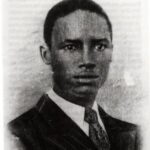
CAULKER, THOMAS NEALE
- 3 Min Read
Thomas Neale Caulker (18?-late April or May, 1898), one of the famous Caulker family which was prominent in the Sherbro region, was ruler of the Caulker chiefdom based on Shenge from 1881-98. He was one of the only three chiefs in southern Sierra Leone to side openly with the British at the time of the Hut Tax War of 1898. The other two chiefs were Nancy Tucker, and Madam Yoko.
In 1881 the incumbent ruler of the Shenge chiefdom, George Stephen Caulker II, had died. In December of the same year, the Turner Treaty of 1825, which had placed Sherbro territory under the British crown, but which had not been ratified at the time, was recognised as valid.
Governor Arthur Edward Havelock (term of office 1881-84), who was then engaged in bringing the entire coastline of Sierra Leone under British fiscal jurisdiction, recognised Thomas Neale Caulker, the half-brother by a slave woman of the late chief, as regent chief. This was resented by William Caulker, who aspired to the chiefdom himself. Publicly, however, William and Thomas both agreed to settle all their differences, although they secretly remained bitter enemies.
In 1883, Thomas accused William of abetting a robbery, and had him sent to Freetown for trial. He was, however, acquitted. William returned home, bent on revenge. He found that Thomas, who was showing himself ruthless and oppressive, was hated by many of his sub-chiefs, and saw an opportunity in their discontent.
Obtaining the support of his elder brother, Thomas Kugba, he hired Mende mercenaries to help him, on the pretext that he was fighting a private enemy. These warriors attacked Shenge, and were only narrowly beaten back. The British sent police and a naval cruiser to restore peace, and William and Thomas Kugba Caulker were both taken prisoner. They were taken to Freetown and tried for murder. Found guilty, the two brothers were publicly hanged at Shenge.
Thomas thus retained his position, and remained loyal to the colonial administration. In 1896, Governor Sir Frederic Cardew, in office from 1894-1900, visited Shenge to explain the Hut Tax. Advised by his family to refuse to pay, Thomas nevertheless determined to prove his fidelity to the administration. In 1898, Frontier Police were sent to assist him collect the tax. The police went through the chiefdom, demanding instant payment. Those who refused were tied up until they paid, or their houses were burnt. Tax was even exacted from exempt villages. Altogether £300 was collected, but at the price of creating bitter resentment. The people came to see Thomas Neale Caulker as a usurper, and to consider the hanged William as a martyr.
When the Hut Tax war broke out at the end of April 1898, and massacres of those associated with Freetown began in Sherbro country, an attempt was made to persuade Thomas Neale to escape to the Plantain Islands. This, however, he declined to do. He was captured by his cousin Francis, and put to death.
ARTHUR ABRAHAM