SOMERSET, CHARLES HENRY
- 3 Min Read
Charles Henry Somerset (1767-1831) was British Governor of the Cape Colony from 1814-26. During his tenure, the Colonial office took steps to guarantee a permanent British presence in the Cape. Somerset negotiated treaties with the Xhosa on the eastern border, initiated a settler scheme, established a British naval base at Simonstown, and introduced English as the official language. He is described as exceedingly unpopular, arrogant toward the Colonial Office and all those who served under him.
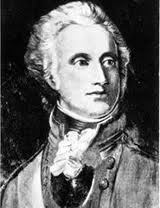
PHOTO CAPTION: Charles Henry Somerset. SOURCE: EA Library.
Somerset, a career army officer, was appointed governor of the Cape Colony in 1814. Shortly after arriving, Somerset was responsible for putting down of the Slagter’s Nek Rebellion, which led to the execution of South African farmers, and remains a signpost of British oppression in Afrikaner minds.
In 1817 he went into the interior to negotiate with Xhosa chief Ngqika about the Xhosa’s raiding of cattle belonging to the settlers (Somerset recognized Ngqika as chief because he seemed more conciliatory than the rival chief Ndlambe, even though Nggika’s influence was limited). Ngqika agreed to allow settler farmers to track stolen cattle and exact compensation on the spot. In exchange for abiding by this so-called Reprisal System, the Xhosa would be permitted to trade at fairs in Grahamstown.
Following two years of relative tranquility, 10,000 Xhosa led by Ndlambe attacked Grahamstown. In retaliation, Somerset expropriated about 4,000 square miles of Xhosa land and repealed the treaty. Somerset moved the boundary of the Cape Colony from the Fish River to the Keiskamma. There, he designated a “neutral” area where there would be no settlement at all, in what is now the Ciskei.
As part of the British government’s decision to occupy the country permanently, Somerset arranged for nearly 4,000 British immigrants, known as the 1820 settlers, to settle in the Zuurveld, east of the Fish River. He intended these settlers to act as a buffer at the edge of the Cape Colony and the area inhabited by the Xhosa.
When the immigrants arrived in 1820, Somerset was on personal leave in England. During his absence (1820-21), his replacement, Sir Rufane Donkin introduced conflicting policies concerning the frontiers. When Somerset returned, he quickly countermanded them.
The absence of a clear policy was upsetting to the immigrants who were already disappointed with the difficulties they faced on the frontier. They made an official complaint to London about their condition. In the meantime, the Reverend John Philip, the chief representative of the London Missionary Society, also complained to the Colonial office about Somerset’s attitude and behavior.
All these troubles resulted in a commission of inquiry being sent out by the Colonial office in 1823 to investigate. In 1826, Somerset was recalled to London for the purpose of giving him an opportunity to defend his actions. While he was awaiting the government’s report, the government changed hands and in 1826 Somerset offered his resignation.
He died in England four years later. His son remained in South Africa and became a British commander on the frontier.
VIRGINIA CURTIN KNIGHT