
- 8 Min Read
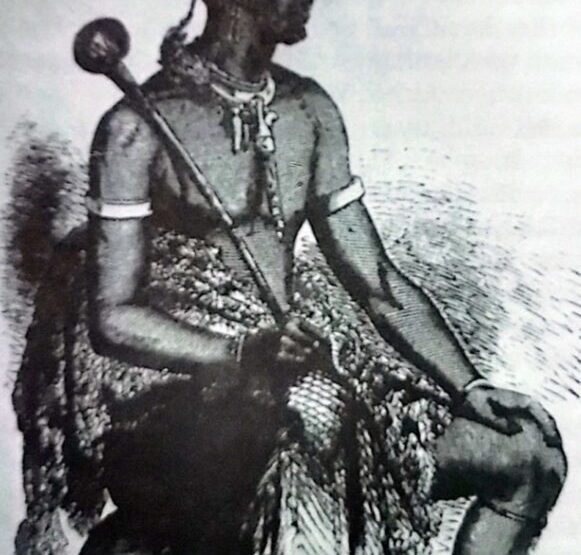
King Moshoeshoe, or Mosweshwe (born 1786, died March 1, 1870), was initially a minor chief of one of the Sotho-speaking people when he began his...

- 3 Min Read
John C. Shorunkey-Sawyerr (January 3, 1863-May 29, 1929) was a successful Krio (Creole) businessman and lawyer, partner to his elder and more flamboyant brother Alfred....
- 5 Min Read
Mutand Yembiyemb (16?-circa 1710) was an important agent in the 17th century expansion of the Lunda empire, the capital of which was at Musumba, 240...
- 2 Min Read
Muyangala (circa 1875-February 3, 1950) was chief of the Pende Akwa Ndala people, living along the upper Bwelo Milondo River, 100 km (60 mi) south...
- 6 Min Read
Mvemba Nzinga (circa 1461-1543), also known as Afonso I, ruled as Mani Kongo (king) of Kongo from 1506-43. He came to power soon after the...
- 5 Min Read
Mwanandungu (who flourished in the mid-19th century) is recalled in oral tradition as one of the leaders of the Lobala people when they migrated to...
- 4 Min Read
Mwatha Kombana (who flourished circa the 17th century) founded a Lunda-related chiefdom in the region between the Lutshiko and Loange rivers, about 160 km (100...
- 7 Min Read
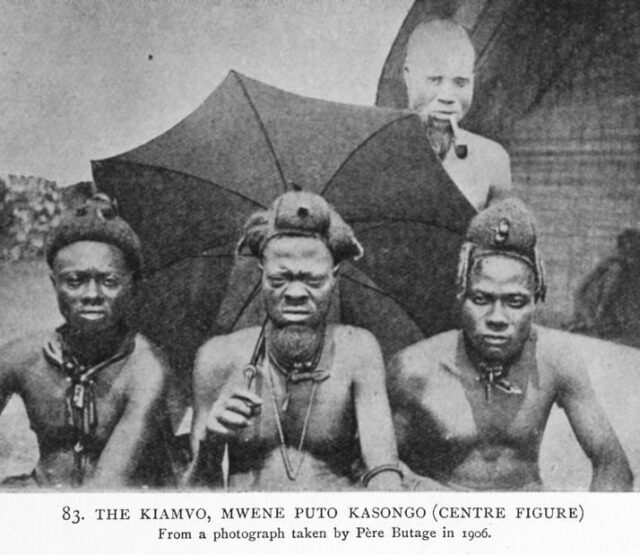
Mwene Putu Kasongo (who flourished in about the mid-17th century), a Lunda from western Shaba, subjected the Yaka people living along the Kwango River, southwest...
- 3 Min Read
Nabiembali (circa 1815-1860), expanded and ruled the Mangbetu state when its power was at its zenith. Located on the Bomolandi River, a tributary of the...
- 5 Min Read
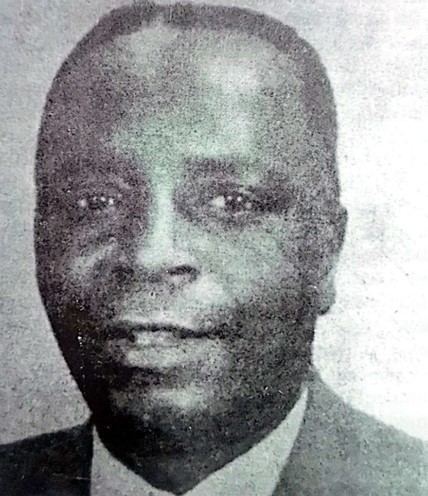
Clement Kadalie (circa 1896-November 28, 1951) was the founder and leader of the Industrial and Commercial Workers’ Union of Africa, popularly known as the ICU....