CLARKSON, JOHN
- 4 Min Read
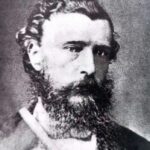
Lieutenant John Clarkson (1763-1828) brought more than 1,100 North American freedmen from Nova Scotia to Sierra Leone, and became first governor of the Sierra Leone settlement. Freetown was founded during his governorship.
He was the younger brother of Thomas Clarkson (1760-1846), the English abolitionist. He served in the British Royal Navy, which he had joined at the age of 11, and was promoted lieutenant. But his experiences in the West Indies led him to leave the Navy, as he had come to question the morality of war. He became keenly interested in the plans of the English abolitionist Granville Sharp (1735-1813) to send freed slaves from North America back to Africa.
These former slaves, mostly from Virginia and South Carolina, who had sided with the British during the American War of Independence (1776-83), had after the war sought refuge in Nova Scotia, where they suffered from the severe climate and harsh labour conditions. In August 1791, Clarkson offered the Sierra Leone Company, which sponsored the “Province of Freedom,” as the settlement was then called, his services to bring the Nova Scotia freedmen over to Sierra Leone. His offer was accepted.
He arrived in Halifax, Nova Scotia, in October 1791, and quickly obtained the trust of the freedmen, offering them free land in Africa. At the expense of the British Treasury, 15 ships were chartered. Clarkson, with his naval experience, oversaw their fitting out. On January 15, 1792, the ships set sail, with Clarkson in command, carrying 1, 190 freedmen. He was ill with fatigue when they left Halifax, and developed fever during the voyage.
The ships arrived severally about six weeks later, 67 of the “Nova Scotians” (as the freedmen came to be called) having died en route. Clarkson’s ship arrived on March 7. He found the colony ruled by a council consisting of “eight gentlemen, invested with great power, each of them acting for himself.” Their administration was divided and incompetent. The company directors, writing from London, asked him to remain in Sierra Leone as Superintendent of the colony, and he agreed, taking the oath of office on March 10. His authority was not, however, recognised by the councillors, who were making free with the company’s supplies, and he sent a fast schooner to England, asking for full powers to govern. The company thereupon appointed him governor, and disbanded the council.
Clarkson proceeded to negotiate with the local chiefs, paying one of them a second time for land already bought, in order to avoid trouble. He also incorporated the European settlers at nearby Granville Town into the company’s colony, thereby effectively founding Freetown (as the settlement was named). He supervised the clearing of land, and the laying out of streets, which he named after the company’s directors.
When he left to make the visit to England that his health demanded, he had the support of the Nova Scotians, and had established good relations between Freetown and the local chiefs. Before leaving, he began the distribution of allotments promised to the Nova Scotians. He took leave of the settlers with a long public prayer, still venerated in Freetown as “Clarkson’s Prayer.” He sailed for England on December 30, 1792. The company directors in London gave him a friendly reception, declaring he had saved the colony. But when Clarkson criticised them for parsimony and incompetence, they charged him with exceeding his instructions, and withholding information from them.
In April 1793, as he was about to leave London for Norfolk to be married, he was dismissed. Shocked, he nevertheless made no public protest in order not to give ammunition to the settlement’s enemies. He settled down in England, becoming a banker in East Anglia. He later helped found the Society for the Promotion of Universal Peace.
CYRIL P. FORAY