MUTWA, VUSAMAZULU CREDO
- 2 Min Read
Vusamazulu Credo Mutwa (July 21, 1921 – March 25, 2020) was a renowned South African traditional healer (sangoma), author, sculptor, and cultural historian who dedicated his life to preserving African indigenous knowledge, mythology, and spirituality. Widely regarded as a custodian of Zulu traditions, he gained international recognition through his writings, particularly Indaba, My Children, and for his efforts to promote African heritage, healing practices, and storytelling across generations.

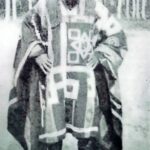
PHOTO CAPTION: Vusamazulu Credo Mutwa. SOURCE: EA Library.
He was born on July 21, 1921, in Zululand, Natal (now KwaZulu-Natal), South Africa. His father was a builder and a Christian, while his mother was a young Zulu woman rooted in traditional beliefs. Due to cultural and religious conflicts between their families, his parents separated before his birth, and he was raised by relatives, including his aunt and, later, his uncle.
Mutwa experienced a difficult childhood and only began formal schooling at around the age of fourteen. After suffering a severe illness that Western medicine failed to cure, he was healed through traditional methods by his grandfather, a Zulu healer. This experience marked a turning point in his life and led to his initiation and training as a sangoma.
Mutwa devoted his adult life to practicing traditional healing, preserving African oral traditions, and educating people about indigenous spirituality. He worked as a healer, storyteller, and artist, creating symbolic sculptures and founding cultural villages such as the Kwa-Khaya Lendaba in Soweto to showcase African heritage.
As an author, he produced several influential works blending mythology, folklore, and personal experiences, becoming a global voice on African cosmology and philosophy. He also advocated for the use of traditional medicine in addressing diseases such as HIV/AIDS and tuberculosis. Through his teachings, writings, and cultural projects, he played a significant role in restoring pride in African identity and heritage during and after the colonial and apartheid eras.
He died on March 25, 2020, at the age of 98 in South Africa after a period of ill health. Vusamazulu Credo Mutwa left behind a powerful legacy as a guardian of African wisdom, a pioneer in cultural preservation, and a spiritual teacher whose work continues to inspire interest in indigenous knowledge systems and African traditions worldwide.
EA EDITORS