NZUMBI, NGANGA
- 2 Min Read
Nganga Nzumbi (c. late 19th century – mid 20th century) was a respected Central African spiritual leader, traditional healer, and custodian of indigenous knowledge, known for his role in preserving ancestral religious practices and guiding his community through spiritual and social challenges. Regarded as a powerful nganga (ritual specialist), he became widely recognized for his deep understanding of cosmology, herbal medicine, and his influence in maintaining cultural continuity during periods of colonial disruption.

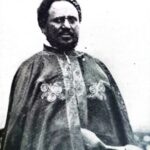
PHOTO CAPTION: Nganga Nzumbi. SOURCE: EA Library.
He was born in the late 19th century in a rural region of Central Africa, believed to be within the Congo Basin. His parents were members of a traditional community his father a hunter and community elder, and his mother a herbalist who introduced him to the healing arts at an early age.
Raised in a family deeply rooted in spiritual traditions, Nzumbi was exposed to ancestral rituals and oral teachings from a young age. He did not receive formal Western education but underwent rigorous traditional initiation and apprenticeship under elder ngangas, where he learned sacred rites, healing practices, and the interpretation of spiritual signs.
As an adult, Nganga Nzumbi served as a healer, diviner, and spiritual advisor within his community and neighboring regions. He conducted rituals, prescribed herbal remedies, and mediated between the physical and spiritual worlds. During the colonial era, he became a key figure in resisting the erosion of indigenous belief systems by preserving sacred knowledge and passing it on to younger generations.
His reputation extended beyond his locality, attracting people seeking healing, protection, and spiritual guidance. Through his work, he played a significant role in sustaining African traditional religion and reinforcing cultural identity in a time of rapid change.
He is believed to have died in the mid-20th century after decades of service to his people. Nganga Nzumbi’s legacy endures through the oral traditions and spiritual practices he helped preserve. He is remembered as a guardian of ancestral wisdom and a symbol of resilience in the face of cultural transformation, with his teachings continuing to influence practitioners of traditional African spirituality today.
EA EDITORS