SOBHUZA II
- 4 Min Read
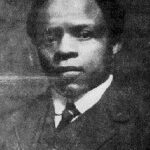
Sobhuza II (July 22, 1899-August 21, 1982) reigned as king of the Swazi people from 1921-82, and was one of the longest-reigning monarchs in the world. His reign was marked by respect for tradition and the fight for maintenance of cultural identity among the Swazi.
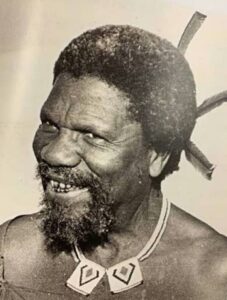
PHOTO CAPTION: Sobhuza II. SOURCE: EA Library.
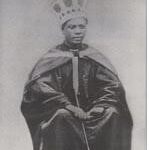
Sobhuza II was born at Zombodze Royal Kraal, was brought up and took his primary education there. Sobhuza’s father, Ngwane IV, died the year Sobhuza was born, and the Swazi were ruled by Queen Regent Lobotsibeni until Sobhuza attained his majority. After completing his primary education, Sobhuza was sent to the Lovedale Institute in the Cape in 1916. Supplementing his formal education, he was immersed in the culture, history, and traditions of his people.
Upon taking the throne the Ngwenyama (Lion of Swaziland), as he was fondly called by his people, immersed himself wholeheartedly in the fight with the colonial government. His characteristic shrewdness made him soon realize that militarily the Swazis could not match the British, so he opted for legal weapons. Assisted by legal experts, he sent petitions and led deputations to British officials and government requesting the redress of the economic and political grievances of his people.
Shortly after ascending the throne, Sobhuza II attempted to use legal means to wrest possession of Swazi lands from European concessionaires. He travelled to London in December 1922 and met King George V. Sobhuza’s pleas and legal activity were to no avail. His test case before the Special Court of Swaziland, heard in 1924, ended in dismissal.
Caught in the struggle to free his kingdom from political oppression and economic exploitation, he also had to wage a war against cultural destruction. Missionaries were encroaching on the Swazi culture, for they were not only trying to win the Swazi for the Christian faith, but they were also alienating them from their culture and customs.
When World War II broke out, the Ngwenyama and his people did not understand what had caused it, let alone why they should join on the side of the Allies. It was only after the King was convinced of its justice, and after the British had accepted that the Swazi join the war on Sobhuza’s terms, that he permitted the formation of the Swazi Pioneer Corps. The British were secretly negotiating the transfer of Swaziland to South Africa and at the same time fighting to impose the Native Authority Proclamation, calculated at destroying Swazi Kingship and its supportive institutions. Sobhuza acted quickly and took this matter to the British High Commissioner, Bruton.
Sobhuza threatened at that time to abdicate, rather than accept British manipulation of Swazi royal traditions. Sobhuza’s stance won the day. Tied to the problem of kingship was the land issue. The King had to use his British ally, A.G. Marwick, to try to win the return of some of the Swazi land to the people. The outcome was the Colonial Development and Welfare Act of 1940, which set aside f190,000 to purchase land for the settlement of 4,000 Swazi families, including returning soldiers.
Sobhuza did not favor democracy; as he said, “I don’t even understand what is meant by democ-racy.” He led his people to independence on September 6, 1968 with a constitution inherited from the British. The Independence Constitution did not reflect Swazi needs and sovereignty, and on Apil 12, 1973 he repealed it. The King and his advisory council felt the Constitution fueled divisiveness because it allowed for competing political parties.
Because of Sobhuza II, Swaziland stands out as one of Africa’s most traditional societies, a society that takes pride in its traditional ceremonies. The respect that the Swazi people and indeed the world had for the Ngwenyama was made clear upon his death on August 21, 1982. The State funeral was attended by visitors from all corners of the world.
THABISILE D. MKATSHWA