LADAPO SAMUEL ADEMOLA II
- 3 Min Read
Ladapo Samuel Ademola II (c.1862–1962) was the Alake of Egbaland from 1920 to 1962 and one of Nigeria’s most distinguished traditional rulers during the colonial period.

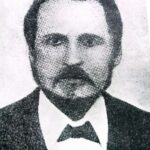
PHOTO CAPTION: Ladapo Ademola II. SOURCE: EA Library.
Ademola was born around 1862 into the royal family of the Egba people in Abeokuta, present-day Ogun State, Nigeria. He was the son of Prince Oyekan, a member of the Egba royal lineage. Growing up during a period of profound political and social change, he received both traditional Yoruba education and Western missionary instruction, equipping him with knowledge of indigenous customs as well as the administrative systems introduced under colonial rule.
Before ascending the throne, Ademola served in various administrative capacities within the Egba political system and developed a reputation for wisdom, moderation, and diplomatic skill. In 1920, following the death of Alake Gbadebo I, he was selected as Alake of Egbaland. His accession coincided with increasing British involvement in Nigerian governance and growing demands for constitutional reforms.
Throughout his reign, Ademola worked to maintain cordial relations with the colonial administration while defending the interests and traditions of the Egba people. He encouraged the expansion of formal education, promoted the construction of roads and public institutions, and supported improvements in healthcare and commerce.
Under his leadership, Abeokuta continued to develop as one of the most important political and commercial centres in colonial Nigeria.
Ademola also played a prominent role in national affairs. He participated in constitutional discussions concerning the future of Nigeria and served in advisory bodies established by the colonial government. His influence extended beyond Egbaland, making him one of the leading traditional rulers consulted on issues affecting the country.
Despite his cooperation with colonial authorities, his reign witnessed significant political challenges. During the 1940s, the Abeokuta Women’s Revolt, led by Funmilayo Ransome-Kuti and the Abeokuta Women’s Union, protested taxation policies and aspects of the Native Authority administration. Although the movement led to important administrative reforms, Ademola remained a respected symbol of Egba traditional authority.
In recognition of his public service, he received several honours from the British Crown, including a knighthood, becoming Sir Ladapo Ademola II. His leadership combined respect for tradition with cautious modernization, allowing Egba institutions to adapt to changing political realities.
Ladapo Ademola II died on 3 February 1962 after serving as Alake for more than forty years. He is remembered as one of Nigeria’s most influential traditional rulers, whose diplomacy, commitment to education, and dedication to public service contributed significantly to the political and cultural development of Egbaland and colonial Nigeria.
EA EDITORS