
ABDI DHIBLAWE, HAWA
- 3 Min Read
Hawa Abdi Dhiblawe (May 1947 – August 5, 2020) was a remarkable Somali physician, lawyer, and humanitarian whose life was devoted to saving lives and defending human dignity.
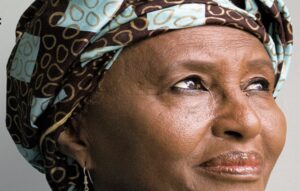
PHOTO CAPTION: Hawa Abdi Dhiblawe. SOURCE: EA Library.
She was born in May 1947 in Mogadishu, Somalia. She grew up in a modest family. Her mother died when she was very young, an experience that deeply affected her and later inspired her to specialize in women’s health. As the eldest daughter, she helped raise her younger sisters, learning responsibility and strength from an early age.
Hawa Abdi was determined to pursue education despite challenges. She received a scholarship to study medicine in Kyiv in the former Soviet Union, where she graduated in 1971 with a medical degree. After returning to Somalia, she became one of the country’s first female gynecologists.
Her work focused especially on maternal health, driven by her desire to prevent women from dying during childbirth, as her mother had. Later, while practicing medicine, she also studied law at the Somali National University and earned a law degree in 1979. She believed that understanding the law would help her better defend the rights of vulnerable people.
In 1983, Hawa Abdi established a small rural clinic on her family’s land outside Mogadishu. Her goal was simple: to provide free medical care to women and children who could not afford treatment. However, when the Somali Civil War began in 1991 and the government collapsed, thousands of people were displaced from their homes. Many fled to her clinic seeking safety, food, and medical care. Instead of turning them away, she opened her land and her heart to them.
Over time, the small clinic grew into a large humanitarian center known as Hope Village, later called the Hawa Abdi Foundation. The compound included a hospital with hundreds of beds, schools for children, shelters for families, and farming projects to provide food. At its peak, it sheltered about 90,000 internally displaced people, mostly women and children. In the middle of violence and instability, her compound became a place of peace and protection.
Her work was not without danger. Armed groups sometimes threatened her, and in 2010, militants briefly took control of her compound and placed her under house arrest. Despite these risks, she refused to abandon the people under her care. Her courage earned her international admiration. She received several awards, was named Glamour Magazine’s Woman of the Year in 2010 alongside her daughters, and was nominated for the Nobel Peace Prize in 2012.
Hawa Abdi died on August 5, 2020, in Mogadishu at the age of 73. Her death was mourned across Somalia and around the world. She is remembered as “Mama Hawa,” a symbol of compassion, bravery, and hope. Her life remains an inspiring example of how one person’s determination can transform the lives of thousands, even in the most difficult circumstances.
EA EDITORS