NAKASA, NAT
- 3 Min Read
Nathaniel Ndazana Nakasa (May 12, 1937 – July 14, 1965) was a distinguished South African journalist and writer who became a definitive voice against the injustices of apartheid during the 1950s and 60s. As the first Black columnist for the Rand Daily Mail and the founder of the literary journal The Classic, he bridged the racial divide in South African literature, providing a sophisticated and humanizing lens on the lives of Black South Africans. His forced exile and untimely death in the United States made him a symbol of the “lost generation” of African intellectuals stifled by systemic oppression.
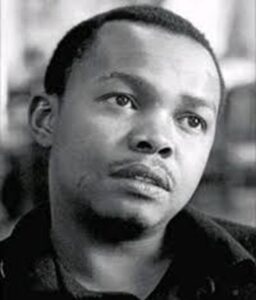
PHOTO CAPTION: Nathaniel Ndazana Nakasa. SOURCE: EA Library.
He was born on May 12, 1937, in Lusikisiki, Pondoland, in the Eastern Cape of South Africa. His father was Joseph Nakasa, a typesetter and writer, and his mother was Flora Nakasa, a teacher. Growing up in a household that valued literacy, he moved to Durban where he attended Zulu High School. After completing his schooling, his early working life began at age 17 when he moved to Johannesburg and secured a position as a junior reporter for Ilanga Lase Natal, a Zulu-English weekly, before his talent was scouted by the legendary Drum magazine.
During his time at Drum magazine, Nakasa became a central figure of the “Drum Boys,” a group of writers who used investigative journalism and sharp prose to challenge racial narratives. In 1963, he broke new ground by founding The Classic, a quarterly publication dedicated to African writing that operated despite strict censorship.
His career reached its zenith when he became the first Black writer to contribute a regular column to the Rand Daily Mail, titled “As I See It,” where he explored the absurdity of life under the Color Bar. In 1964, he was awarded a Nieman Fellowship at Harvard University; however, the South African government refused him a passport, forcing him to accept an “exit permit” that rendered him a stateless person in exchange for the opportunity to study abroad.
Unable to cope with the isolation of exile and the pain of being barred from his homeland, he committed suicide by jumping from a high-rise building in New York City on July 14, 1965. His legacy endures through the Nat Nakasa Award for Media Integrity, which celebrates courageous journalism in South Africa. In 2014, his remains were finally repatriated from the United States and reburied in his home soil at the Heroes Acre in Chesterville, Durban, symbolizing his ultimate return to the country he loved.
EA EDITORS