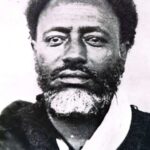
MSANE, SAUL
- 2 Min Read
Saul Msane (circa 1856-circa 1932), a prominent member of the Wesleyan Methodist Church and a newspaper editor, was one of the founding members of the South African Native National Congress and served for a period as its secretary-general.
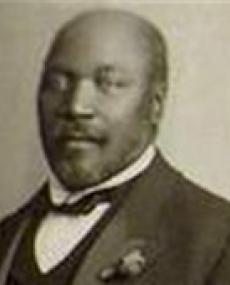
PHOTO CAPTION: Saul Msane. SOURCE: sahistory.org
Born in the Maritzburg district of Natal, Msane received his education at Edendale in Natal and Healdtown in the Eastern Cape, both influential Wesleyan Methodist schools for Africans. Later he became a major Methodist church figure, participating as a lay preacher and a choirmaster. He gained repute as musician and a bass soloist and, in 1892, he toured England with the Zulu Christian Choir.
During the early part of the 20th century, Msane actively involved himself in African nationalist politics. He participated in the provincial Natal Native Congress and, after the Union of South Africa came into being in 1910. He joined together with Africans from all over the country in founding the South African Native National Congress (SANNC) in 1912.
When the Natives Land Act was passed the following year, prohibiting Africans from buying land in European areas, he was called on to raise funds for a delegation to go England to protest the legislation. He participated in the delegation in 1914, although its lobbying failed to persuade the British government to intervene.
In 1917, when S.M. Makgatho succeeded John Dube as president of the SANNC, he selected Msane as secretary-general. Msane also became editor of the organisation’s newspaper, Abantu-Batho. He had earlier founded Umlomo wa Bantu (Mouthpiece of the People), which was later merged with the SANNC Journal.

PHOTO CAPTION: Saul Msane. SOURCE: longmarchtofreedom.co.za
In later years, he worked as a compound manager of the Jubilee and Salisbury Gold Mining Company in Johannesburg and, when the mine closed down, as a labour recruiting agent.
ROBERT EDGAR