KIMATHI, DEDAN
- 3 Min Read
Dedan Kimathi Waciuri (October 31, 1920 – February 18, 1957) was a Kenyan nationalist and freedom fighter who became one of the foremost leaders of the Mau Mau Movement during the struggle against British colonial rule in Kenya.
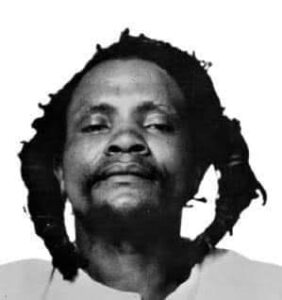
PHOTO CAPTION: Dedan Kimathi Waciuri. SOURCE: EA Library.
As the Field Marshal of the Kenya Land and Freedom Army, he organized guerrilla resistance in the forests of central Kenya and became a powerful symbol of the fight for land, freedom, and self-determination. Though executed before Kenya attained independence, Kimathi’s leadership and sacrifice made him one of the most celebrated heroes of the Kenyan independence movement.
Dedan Kimathi was born on October 31, 1920, in Tetu Division, Nyeri District, in the central highlands of Kenya. He was the son of Waciuri Kimathi, a peasant farmer, and Nyambura Wairimu, who also engaged in subsistence farming.
Kimathi came from a Kikuyu farming family whose livelihood depended on land cultivation, and the loss of African lands under colonial rule deeply affected his community. He attended local primary schools before enrolling at Karuna-ini School and later Tumutumu CMS School. During his youth, he worked as a teacher, clerk, and laborer, experiences that exposed him to the inequalities of colonial society and strengthened his nationalist convictions.
In his adult life Kimathi became actively involved in the Kenya African Union and later joined the militant wing of the nationalist movement that evolved into the Mau Mau rebellion. Operating mainly in the Aberdare and Mount Kenya forests, he rose rapidly through the ranks and was appointed Field Marshal of the Kenya Land and Freedom Army. He coordinated guerrilla operations, maintained communication networks among fighters, and inspired resistance through his speeches and writings.
His leadership helped sustain the armed struggle during the 1952–1956 Emergency, and he became a central figure in mobilizing Africans against colonial domination and the alienation of their lands.
Dedan Kimathi was captured by British colonial forces near Nyeri on October 21, 1956, after being wounded. He was tried for unlawful possession of a firearm, convicted, and executed by hanging at Kamiti Prison on February 18, 1957. Although he did not live to see Kenya’s independence in 1963, his legacy endured as a symbol of courage, resistance, and the quest for national liberation.
Today he is honored as a national hero in Kenya, with monuments, public institutions, and annual commemorations preserving the memory of his contribution to the country’s freedom struggle.
EA EDITORS